Body Contouring Farmington Hills: Modern Solutions for Shape Enhancement
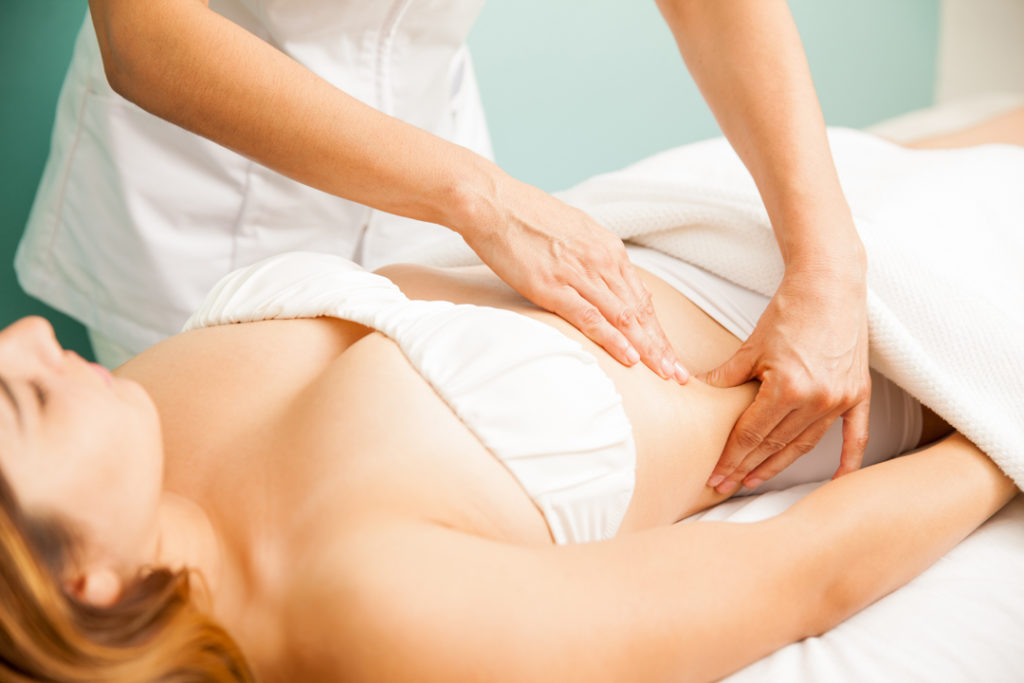
Body contouring has moved well beyond the old idea of “spot reduction” or one-size-fits-all cosmetic care. Patients now come in with more informed questions, clearer goals, and a better sense of what they want to change. Some want to smooth the lower abdomen after pregnancy. Others are bothered by underarm fullness that does not respond to exercise, or by the way the flanks hold onto fat despite years of disciplined habits. In a place like Farmington Hills, where patients range from busy professionals to active retirees, the conversation is rarely about chasing perfection. More often, it is about proportion, comfort in clothing, and finally seeing the effort they have already put into their health reflected in their shape.
That is where modern body contouring earns its place. Done well, it is not about creating a different body. It is about refining what is already there. The best outcomes come from matching the right treatment to the right problem, at the right stage of life, with realistic expectations and a thoughtful plan.
What body contouring really means
The term “body contouring” gets used broadly, sometimes too broadly. In practice, it refers to treatments designed to improve body shape by reducing localized fat, tightening skin, or both. Some methods are noninvasive and involve little to no downtime. Others are minimally invasive or surgical and can create more dramatic changes when anatomy calls for it.
This distinction matters because patients often describe one concern when they actually have another. Someone may say, “I need fat removed from my stomach,” when the bigger issue is loose skin. Another person may think they need a skin-tightening treatment, when the real problem is a pocket of fat over firm underlying tissue. These are not small differences. They change the treatment plan entirely.
In consultation, experienced providers spend a lot of time looking at tissue quality, skin elasticity, muscle tone, and the distribution of fullness. Age matters, but not in a simplistic way. A fit 52-year-old with good skin tone can be a stronger candidate for certain noninvasive treatments than a younger person with significant post-weight-loss laxity. Pregnancy history, weight fluctuations, prior procedures, medications, and scar patterns all shape the recommendation.
When people search for Body Contouring Farmington Hills, they are often looking for a local answer to a very personal problem. What they need is not a trendy device name. They need a plan that accounts for anatomy, budget, recovery tolerance, and how much change they actually want.
The most common treatment goals
Body contouring usually falls into one of several practical categories. The first is fat reduction in small to moderate areas, commonly the abdomen, flanks, thighs, upper arms, back, or under the chin. The second is skin tightening, especially after pregnancy, weight loss, or gradual collagen loss with age. The third is reshaping after major life changes, such as significant weight loss, when skin and soft tissue no longer match the patient’s healthier frame.
Those goals can overlap. A patient who has lost 60 pounds may have both residual pockets of fat and considerable loose skin. A patient in her late thirties may have a lower abdomen that protrudes more because of separated abdominal muscles than because of excess fat alone. Someone with a naturally athletic build may be bothered by “bra bulge” or outer thigh fullness that has been genetically persistent since early adulthood. These are three different situations, and they should not be handled as though they are the same.
Noninvasive options and where they shine
Noninvasive body contouring has become popular for a good reason. For the right candidate, it offers modest but meaningful improvement without surgery, general anesthesia, or long recovery periods. Most of these treatments use controlled cooling, radiofrequency energy, ultrasound, or similar technologies to target fat cells or stimulate tissue tightening.
The appeal is obvious. Patients can often return to work quickly, and the treatment experience itself is usually manageable. It fits real life. A parent can schedule a session between errands. A professional can do it without arranging weeks away from the office. For patients who are already close to their target weight and just want refinement, this category can be useful.
Still, the phrase “noninvasive” sometimes creates unrealistic expectations. These treatments can improve contour, but they do not replicate surgery. They are not weight-loss solutions, and they do not usually deliver dramatic one-session transformations. Results often emerge gradually over weeks to a few months as the body processes treated fat cells or builds collagen. Some patients need a series of treatments. Others benefit from combining a fat-reduction treatment with skin tightening to avoid a partially improved result.
A pattern I have seen repeatedly is the patient who has one stubborn area, maintains a stable weight, and has fairly good skin tone. That person tends to be pleased with noninvasive contouring because the improvement shows up in a targeted way. Pants fit better. The waistline looks smoother in knitwear. The patient notices the difference every morning without feeling as if they look “done.”
When minimally invasive or surgical treatment makes more sense
There are cases where noninvasive technology simply cannot address the problem well enough. Significant skin laxity, larger fat deposits, weakened abdominal wall support, and contour irregularities from previous surgery often require a more direct approach.
Liposuction remains a powerful tool for reducing localized fat and shaping areas with precision. It is not a treatment for obesity, but it can be very effective when stubborn fat remains despite healthy habits. The nuance matters here. Good liposuction is not just subtraction. It is sculpting. The provider has to understand transitions, symmetry, and how one area affects the one next to it. Removing too little can disappoint. Removing too much, or from the wrong plane, can create hollows, waviness, or an unnatural silhouette.
For patients with loose abdominal skin after childbirth or weight loss, liposuction alone may even worsen the appearance by reducing volume without addressing drape. In those situations, procedures that remove excess skin and possibly repair the abdominal wall may be more appropriate. The same principle applies to the arms, thighs, and lower body after major weight loss. A less invasive option may sound easier at first, but an easier procedure is not always the better procedure if it cannot solve the actual problem.
This is one reason honest consultation matters so much. Good body contouring advice sometimes means telling a patient that the treatment they came in asking for is not the treatment likely to make them happy.
The Farmington Hills patient perspective
Farmington Hills has the kind of patient population that tends to ask practical questions. People want to know how much time they will need away from work, whether they can drive themselves home, when they can get back to the gym, and whether the result will still look natural in business attire, casual clothes, and swimwear. Those are the right questions.
Local patients are also often balancing several goals at once. A person may be training consistently, managing a family schedule, and trying to recover confidence after a major body change. Another may be healthy overall but frustrated that age-related tissue changes do not respond to the same routines that worked ten years ago. In both cases, body contouring is not a vanity project in the simplistic sense. It is usually tied to comfort, self-presentation, and the desire to feel aligned with one’s effort.
That is why the best Body Contouring Farmington Hills consultations are highly specific. They do not stop at “What bothers you?” They move to “When do you notice it most?” “Has your weight been stable?” “Do you want subtle improvement or a major change?” “How much downtime is realistic for you?” The answers often reveal whether the patient is a strong candidate and which trade-offs they are willing to accept.
Skin quality changes everything
If there is one factor patients tend to underestimate, it is skin quality. People naturally focus on the visible bulge or the area that pinches between the fingers. But skin elasticity often determines whether a contouring treatment will look smooth afterward.
Imagine two patients with similar lower abdominal fullness. One has firm, resilient skin and mild excess fat. The other has mild fat but looser skin from pregnancy or weight cycling. On the surface, they may look similar in fitted clothing. Under examination, they are not similar at all. The first might respond well to a noninvasive fat-reduction treatment or liposuction, depending on goals. The second may need skin tightening at minimum, and perhaps a surgical option if the laxity is pronounced.
This is also why “after” photos need careful interpretation. Lighting, posture, hydration, and garment choice can exaggerate or soften differences, but underlying tissue quality tells the real story. Responsible providers explain not only what a treatment can improve, but what it cannot. Stretch marks, for example, may improve somewhat when excess skin is removed surgically, but many contouring procedures are not designed to erase them. Cellulite is another issue that often requires a separate discussion because it is not the same thing as excess fat.
Weight loss, plateaus, and timing
Body contouring works best when weight is relatively stable. This point gets glossed over far too often. If someone is actively losing weight, especially with a significant amount still to lose, it usually makes sense to wait. The shape will continue to change, skin laxity may evolve, and a treatment plan built on today’s anatomy may not fit the body six months later.
There are exceptions. A patient may have one extremely resistant area that remains out of proportion even after substantial weight loss. Another may be at a healthy maintenance point but still have tissue changes that exercise cannot correct. In those cases, contouring can be a reasonable next step.
After pregnancy, timing matters too. The body needs time to settle. Swelling resolves, hormones shift, and tissues gradually recover. Many patients feel pressure to “bounce back” quickly, but rushing into treatment rarely serves them well. A measured timeline almost always leads to better decision-making and better outcomes.
What recovery really looks like
Recovery depends on the treatment, but it is helpful to speak plainly about what patients can expect. Noninvasive treatments often involve temporary swelling, tenderness, numbness, or bruising. Most people can function normally, though the treated area may feel odd for a short period. The improvement unfolds slowly, which can test the patience of people who expected visible change within days.
Surgical or minimally invasive procedures require more planning. Compression garments are common. Swelling can persist for weeks, and final definition often takes longer than patients expect. Early on, people sometimes worry they do not look improved because postoperative swelling blunts the result. That concern is normal. Healing is rarely linear. One side may settle before the other. Areas can feel firm or numb for a while. Good preoperative counseling prepares patients for that uneven timeline so they do not panic during the predictable middle stages.
The social recovery also matters. Some patients can manage physical discomfort well but dislike feeling restricted in exercise or wardrobe. Others are unfazed by downtime as long as the endpoint is worth it. Knowing your own tolerance is part of being a good candidate.
Choosing a provider without getting lost in marketing
The body contouring market is crowded, and not all offerings are equivalent. Devices come and go. Brand names rise quickly. Promotional language can make every treatment sound revolutionary. A patient needs a steadier framework.
Look for a provider who can explain why a specific treatment fits your anatomy rather than simply listing available services. Pay attention to whether they discuss limitations as comfortably as benefits. If a consultation feels rushed or overly sales-driven, that is useful information. So is the quality of the exam. A serious body contouring evaluation should involve looking at the area standing up, assessing tissue quality, and discussing medical history and weight stability in detail.
These questions can help clarify the conversation:
- What part of my concern is fat, and what part is skin laxity?
- Am I likely to need more than one session or more than one type of treatment?
- What level of improvement is realistic for my anatomy?
- How long until I see meaningful results?
- If this approach does not meet my goals, what is the next logical option?
Those questions often reveal whether the plan is individualized or generic. They also push the discussion toward outcomes rather than slogans.
Cost, value, and the hidden price of the wrong treatment
Cost is a real factor, and it deserves a straightforward discussion. Lower-downtime treatments may look more affordable at first, but if they require repeated sessions and still leave the patient dissatisfied, they can become the more expensive route in practice. On the other hand, not every patient needs surgery, and paying for a more aggressive procedure than necessary is not a mark of better care.
Value comes from alignment. The best-value treatment is the one that has a credible chance of delivering the result you actually want. If your priority is a subtle improvement with minimal interruption to daily life, a noninvasive option may be a strong value. If your goal is a major shape change after childbirth or weight loss, trying to force a noninvasive route may cost time, money, and morale.
A patient once described this perfectly after a series of consultations. She said she realized she was not shopping for the cheapest treatment, she was shopping for the treatment that made sense. That shift in mindset tends to lead to better choices.
Emotional expectations and body image
Body contouring can improve confidence, but it does not resolve every dissatisfaction a person may feel about appearance. The healthiest candidates usually have one or two clearly defined concerns and a stable sense of self outside those concerns. They are looking for refinement, not rescue.
That distinction matters because aesthetic medicine works best when the goal is proportion and comfort, not transformation into a different person. Patients who understand this tend to appreciate their results more, even when the change is subtle. They notice that clothing fits with less friction, that posture feels more relaxed, that they stop tugging at a shirt hem in the mirror. Those are small shifts on paper, but they can have https://beckettfkcl298.sagecurrent.com/posts/body-contouring-farmington-hills-non-surgical-options-explained real emotional weight.
Providers should be able to read this dimension of candidacy with care. If expectations are disconnected from what anatomy can support, the most ethical answer may be to slow the process down.
A sensible path forward
For anyone considering Body Contouring Farmington Hills, the smartest first step is not choosing a device or procedure from an online ad. It is getting an honest assessment of what is creating the contour issue in the first place. Fat, skin, muscle support, scar tissue, and weight history all play a role. Once those pieces are clear, the treatment path usually becomes much easier to understand.
Modern body contouring offers more options than ever, and that is a genuine advantage when the choices are used thoughtfully. The right plan can smooth a stubborn area, restore proportion after pregnancy or weight loss, and help patients feel more at ease in their own clothes and routines. But good results are rarely accidental. They come from careful evaluation, realistic expectations, and a provider willing to match the method to the body, not the other way around.
That is the standard worth looking for, whether the goal is a modest refinement or a more significant change.
Aesthetic Plastic Surgery & Laser Center, Michelle Hardaway M.D.
Address: 27920 Orchard Lake Rd, Farmington Hills, MI 48334
Phone number: +12482211957
FAQ About Body Contouring Farmington Hills
What does body contouring actually do?
Body contouring (or body sculpting) eliminates stubborn localized fat, tightens loose, sagging skin, and reshapes your silhouette. It is not a weight-loss tool, but rather a cosmetic procedure used to refine and tone specific trouble spots after major weight loss, pregnancy, or aging.
How much does body contouring usually cost?
The total cost of body contouring usually ranges from $2,000 to $25,000+ depending entirely on whether you choose non-surgical sessions or major surgical procedures.
Because "body contouring" covers everything from simple fat-freezing to comprehensive post-weight-loss surgeries, pricing is heavily categorized by the method used.
What is the best type of body contouring?
Liposuction is a huge topic and worth discussing in more detail, but in terms of body contouring and sculpting, nothing does the job better than liposuction, particularly VASER liposuction.